
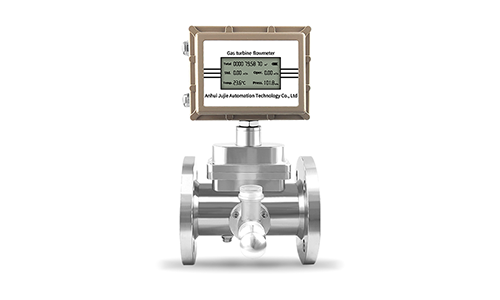
1. Maintenance Guide for Gas Flow Meter
Gas flow meters are the core instruments for accurately measuring gas flow in industrial production and laboratory settings, and are widely used in multiple fields such as petrochemicals, power energy, natural gas transmission and distribution, environmental monitoring, semiconductor manufacturing, etc. Their measurement accuracy and operational stability are directly related to the improvement of production efficiency, the safety of process operations, and the reliability of experimental/production data, making them key equipment for ensuring the normal operation of various working conditions.
During long-term continuous operation, if scientific and standardized maintenance is lacking, gas flow meters are prone to problems such as measurement accuracy deviation, frequent malfunctions, shortened service life, and even equipment damage, which in turn affects production progress and data accuracy. Therefore, formulating a scientific and reasonable maintenance plan is of great practical significance for ensuring the stable performance of equipment, reducing operation and maintenance costs, and minimizing losses from malfunction-induced downtime. This article will systematically summarize the core maintenance points of gas flow meters from aspects such as equipment structure and principle, analysis of common malfunctions, and practical maintenance measures, helping users achieve stable operation, accurate measurement, and long-term reliable service of equipment.
2. Basic Structure and Working Principle of Gas Flow Meter
The core components of a gas flow meter typically include a flow sensor, a signal processing unit, a display module, and a control system. While the core structures of different types of flow meters vary slightly, they all share the core function of accurately collecting and converting gas flow. Considering common industrial and laboratory scenarios, classified by measurement principle, the types and core characteristics of common gas flow meters are as follows, facilitating users to perform corresponding maintenance based on their own operating conditions:
a. Thermal Flow Meter
By detecting the heat changes caused during the gas flow process, the gas flow rate is calculated. The core is suitable for measurement scenarios of low flow velocity, small flow rate, and clean gas, with the advantages of fast response speed, low daily maintenance workload, and high measurement accuracy. It is a commonly used type in laboratories and low-load working conditions.
b. Vortex Flow Meter
Based on the Karman vortex street effect generated when gas flows, its vortex frequency has a fixed proportional relationship with the gas flow rate, making it suitable for medium and high flow velocity conditions. It features a simple structure, reliable operation, adaptability to various industrial gases, and low maintenance difficulty.
c. Mass Flow Meter
It can directly and accurately measure the mass flow rate of gas, is minimally affected by fluctuations in medium temperature and ambient pressure, has a measurement accuracy at a relatively high level in the industry, and is widely used in scenarios such as industrial production (e.g., chemical proportioning) and laboratory calibration that have strict requirements for metering accuracy.
d. Differential Pressure Flow Meter
By detecting the pressure difference generated by the gas flow within the pipeline and combining it with a pre-set professional calculation model, the gas flow rate is calculated. It has a long history of application, with mature and stable technology, is suitable for most industrial gas measurement scenarios, and has strong compatibility.
Although different types of gas flow meters vary in structural design and measurement methods, the core concept of maintenance is highly consistent: always keeping the equipment clean, regularly conducting professional calibration, and promptly troubleshooting potential faults are the key principles for ensuring the long-term stable operation of the equipment and maintaining accurate metering performance, applicable to the maintenance of flow meters under various operating conditions.
3. Common Fault
s and Causes of Gas Flowmeters
During actual operating conditions, gas flow meters are susceptible to various factors such as environmental dust, medium characteristics, service duration, and installation accuracy, making them prone to various types of malfunctions. The following outlines the most common types of malfunctions and their corresponding causes to facilitate quick troubleshooting and precise handling by maintenance personnel:
a. Flow display is unstable
The core causes include: unstable airflow pulsation, unreasonable equipment installation location, straight pipe section length not meeting the specification requirements, or dust accumulation on the sensor surface, attachment due to medium contamination. Such faults will directly interfere with the stability and accuracy of flow data, affecting production regulation and metering results.
b. No display or no response
Mainly related to the electrical system: abnormal power supply (voltage instability, power outage), damaged flow sensor, loose or detached wiring or poor contact, control module failure. For such faults, electrical components need to be prioritized for troubleshooting to quickly restore equipment power supply and signal transmission.
c. The measurement data has a relatively large deviation
In most cases, it is caused by the long-term lack of calibration of the equipment, aging and wear of sensors, or performance degradation of internal core components; especially in scenarios where the operating temperature and pressure fluctuate frequently, the probability of such failures is higher, and the calibration cycle needs to be focused on.
d. Gas leakage occurs in the equipment
There are three common causes: aging, cracking, and deformation of the sealing ring; equipment installation not following the standard process, resulting in inadequate interface sealing; and loosening of the connection between the pipeline and the flowmeter. Such faults not only affect measurement accuracy but may also lead to gas leakage, posing safety hazards and requiring timely handling.
e. Importance of Preventive Maintenance
Key reminder: Preventive maintenance is the key to reducing losses caused by failures. Through daily regular inspections and standardized maintenance work, potential safety hazards can be identified at the incipient stage of failures, avoiding equipment downtime that affects production progress, while effectively reducing maintenance costs, minimizing production losses, extending equipment service life, and maximizing benefits.
4. Maintenance Measures for Gas Flowmeters
4.1 Regular Cleaning
Dust, oil mist, corrosive impurities, etc. in the gas, which accumulate on the surface of the sensor and inside the internal channels of the equipment over a long period, will directly block the detection element, interfere with measurement accuracy, and in severe cases, wear and damage the sensor. Among them, thermal gas flow meters have extremely high requirements for cleanliness, are key objects for cleaning and maintenance, and require key attention.
Practical cleaning method: Soft rags, special brushes, or dry compressed air should be used first to gently remove visible impurities from the exterior and interior of the equipment; tools such as corrosive solvents, hard scrapers, or steel wool balls are strictly prohibited to prevent scratching the sensor surface, damaging the core components of the equipment, and avoiding secondary damage.
Environmental protection recommendations: In scenarios with high dust levels, high content of medium impurities, or harsh working conditions (such as high temperature and heavy oil contamination), it is essential to install a dedicated filtering device at the front end of the flowmeter to effectively intercept pollutants, reduce their entry into the flowmeter, ensure measurement accuracy, and reduce the frequency of cleaning and maintenance.
4.2 Regular Calibration
During the long-term operation of the equipment, affected by factors such as ambient temperature, pressure fluctuations, and sensor aging, the measurement accuracy will gradually deviate. Regularly conducting professional calibration is a key measure to ensure that the flow data is true, reliable, and meets the requirements of production and experiments, and should not be ignored.
Standard Calibration Cycle: Considering the operating conditions of the equipment, medium characteristics, and industry specifications, it is generally recommended to conduct a comprehensive professional calibration of the gas flowmeter every 6 to 12 months to ensure that the measurement error of the equipment is controlled within the allowable range and to guarantee the accuracy of metering.
Emergency calibration timing: When the measurement results of the equipment show obvious abnormalities (deviating too much from the standard value), the operating conditions (temperature, humidity, pressure) change drastically, or the equipment has undergone maintenance, disassembly, or transportation, calibration work should be carried out promptly to avoid substandard data affecting production and experimental results.
Standardized calibration methods: Standard flow source comparison calibration method, professional calibration equipment calibration, etc. can be used. The entire calibration process must strictly follow the equipment manual and corresponding industry standards to ensure that the calibration results are accurate, valid, and traceable, and to avoid data distortion caused by non-compliant calibration.
4.3 Check the sealing performance
Good sealing performance is not only the core prerequisite for ensuring measurement accuracy but also the key to preventing gas leakage and ensuring production safety. Regular and comprehensive inspections of the equipment’s sealing conditions are required to eliminate potential sealing hazards.
Special inspection of sealing rings: Regularly check the sealing rings of all sealing parts of the equipment, focusing on whether there are signs of aging, cracking, deformation, damage, or poor sealing; once any problems are found, the sealing rings of the same specification and material must be replaced immediately to eliminate potential gas leakage hazards.
Fastening of connection parts: Regularly inspect the connection parts between the flowmeter and the pipeline interface, as well as the various components of the equipment, to ensure that all connections are firm and reliable, without looseness or leakage; if looseness is found, tighten it promptly to prevent gas leakage from affecting measurement accuracy and avoid safety risks at the same time.
4.4 Check the power supply and wiring
Electrical gas flow meters have high requirements for power supply stability and signal transmission reliability. Electrical system failures can easily lead to the equipment being unable to operate normally, so it is necessary to regularly check the status of the power supply and circuits and identify potential hazards in advance.
Power supply safety inspection: Regularly check the power supply voltage and current to ensure they strictly meet the requirements of the equipment’s technical parameters; avoid damage to the internal electrical components of the equipment and impact on its normal operation due to overvoltage, undervoltage, or voltage instability.
Comprehensive inspection of the circuit: Check whether there are any issues such as aging, damage, breakage, or poor contact in the equipment connection cables, with a focus on inspecting whether the circuit joints are secure; promptly repair or replace cables if problems are found to ensure smooth signal transmission, safe power supply, and prevent equipment shutdown caused by electrical failures.
4.5 Replace consumable materials
Components such as filters and sealing rings are vulnerable parts of gas flow meters. Their service life directly affects the operational stability and safety of the equipment, so they need to be included in the periodic maintenance plan, regularly inspected, and promptly replaced to avoid equipment failures caused by damage to vulnerable parts.
Filter Maintenance Practice: In high-dust and high-pollution working conditions, filters are prone to clogging, so the inspection cycle needs to be shortened; regularly clean the internal impurities of the filter. If the filter is damaged, severely clogged, and cannot be thoroughly cleaned, it should be replaced immediately to avoid affecting gas flow and measurement accuracy.
Seal replacement requirements: The aging rate of sealing components such as O-rings is closely related to the operating conditions (e.g., corrosiveness, high temperature); once aging or damage of the seals is detected, they must be replaced immediately to prevent gas leakage caused by seal failure, which may affect equipment operation and production safety.
4.6 Prevent Corrosion Damage
When the gas being measured contains acidic, alkaline, or other corrosive components, long-term exposure will cause corrosion and wear to the metal parts and seals of the flowmeter, leading to a decline in equipment performance, a shortened service life, and even causing leakage failures. Therefore, it is necessary to focus on corrosion protection.
Practical protection suggestions: Considering the corrosion characteristics of the gas being measured, prioritize the selection of gas flow meters made of corrosion-resistant materials (such as fluoroplastics, Hastelloy, etc.). If the existing equipment materials do not have corrosion resistance, a dedicated filtering and neutralizing device for corrosive gases can be installed in the system. At the same time, shorten the maintenance and inspection cycle, promptly identify potential corrosion hazards, and avoid equipment damage.
5. Precautions for daily maintenance of gas flow meters
1. Strictly prohibited to operate beyond the rated range: Use the gas flow meter strictly in accordance with the rated range of the equipment. Long-term operation beyond the rated range will accelerate the wear of sensors and internal components, shorten the service life of the equipment, and at the same time lead to a significant decline in measurement accuracy, affecting the metering results.
2. Control temperature fluctuations: Especially thermal gas flow meters are extremely sensitive to temperature changes; frequent and drastic fluctuations in the ambient temperature where the equipment is located should be avoided to reduce the adverse effects of temperature on measurement accuracy and equipment components, ensuring stable operation of the equipment.
3. Standard Installation and Subsequent Maintenance: During equipment installation, ensure sufficient straight pipe section length, keep away from strong vibration, strong electromagnetic interference, and shock sources to reduce the interference of turbulent flow on measurement; in daily maintenance, it is strictly prohibited to disassemble the equipment at will. If disassembly or reinstallation is required, strictly follow the specifications in the equipment manual to avoid damaging core components.
6. Conclusion
Standardized and systematic maintenance is a crucial link in ensuring the long-term stable operation of gas flow meters and maintaining their accurate metering performance. By scientifically carrying out tasks such as equipment cleaning, regular professional calibration, sealing performance inspection, circuit maintenance, and replacement of vulnerable parts, it can not only effectively reduce equipment failure rates and minimize downtime losses but also significantly extend the service life of equipment and reduce overall operation and maintenance costs.
During the equipment selection phase, it is recommended to select the appropriate type and specification of flowmeter in combination with specific operating conditions, characteristics of the measured gas, and metering accuracy requirements; at the same time, establish a comprehensive equipment maintenance plan, clarify maintenance frequency, responsibility division, and operating standards to ensure that maintenance work is normalized and standardized, providing long-term and reliable flow data support for the production process and experimental research, and contributing to the improvement of production efficiency and experimental accuracy.
7. Frequently Asked Questions (FAQ)
Q1: How often does a gas flow meter need maintenance?
A: It is recommended to conduct a simple daily inspection of the equipment (focusing on checking whether the display is normal, whether there are any leaks in the seal, and whether the wiring is intact); carry out a comprehensive maintenance and professional calibration every 6 to 12 months; the specific maintenance cycle can be flexibly adjusted according to the severity of the working conditions and the frequency of equipment use, and the cycle can be appropriately shortened for working conditions with severe pollution.
Q2: If the flowmeter reading is inaccurate, is it necessary to replace the equipment?
A: Not necessarily. In most cases, inaccurate flow readings are caused by dust accumulation on the sensor, untimely calibration of the equipment, or improper installation location. By cleaning the sensor, re-calibrating professionally, or adjusting the installation location, measurement accuracy can be restored; only when the sensor is severely aged, the core components are damaged, and performance cannot be restored through repair and calibration, is it necessary to replace the equipment to avoid cost waste caused by blind replacement.
Q3: What application scenarios are thermal gas flow meters suitable for?
A: Core adaptation for measuring low flow rates, small volumes, and clean gases. Commonly adapted gases include compressed air, nitrogen, oxygen, inert gases, etc.; widely used in scenarios such as semiconductor manufacturing, laboratory testing, and environmental monitoring that have certain requirements for measurement response speed and accuracy, with convenient operation and maintenance.
Q4: How to reduce the failure rate of gas flow meters?
A: The core lies in the three key points of “reasonable selection, standardized installation, and regular maintenance”: By selecting the appropriate flowmeter type and material based on the actual working conditions, potential hazards can be avoided from the source; strictly following the installation specifications to ensure that the straight pipe section and installation position meet the requirements; regularly carrying out maintenance work such as cleaning, calibration, and seal inspection to avoid over-range operation and excessive impact from harsh environments, thus effectively reducing the failure rate.
Q5: Can a gas flow meter be used in a corrosive gas environment?
A: It is feasible. However, it is necessary to select a flowmeter made of suitable corrosion-resistant materials (such as fluoroplastics, Hastelloy, etc.) in advance by considering the specific characteristics of corrosive gases; at the same time, install special filtering and neutralization devices for corrosive gases in the system, strengthen the sealing protection of equipment, shorten the maintenance and inspection cycle, promptly identify potential corrosion hazards, and prevent equipment damage and gas leakage.